
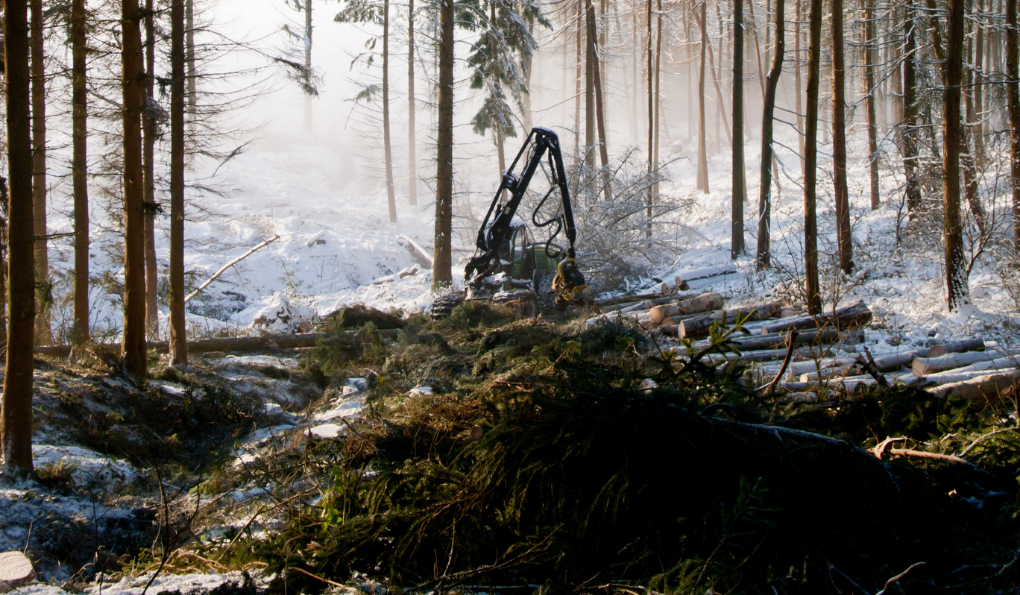
One of the most common winter incidents involves slips and falls when entering or exiting equipment. In a recent safety alert, an equipment operator working a night shift during blizzard conditions exited their machine to replace a radio battery. Snow-covered decks caused the operator to lose footing, and a hand slipped off the rail, resulting in a fall of approximately 10 feet. Fortunately, injuries were minor—but the outcome could have been far more serious.
Snow and ice dramatically reduce traction and visibility, especially during night operations or storms. Employers and workers should take proactive steps to reduce fall hazards, including:
Most important takeaway: Do not rush. Winter conditions demand extra time and attention to hazard control before proceeding with tasks.
Employers must be cognizant of all applicable regulations governing cold-weather work. In Canada, the Canada Labour Code requires employers to develop and implement measures to monitor and control thermal stress.
Wind chill is a critical factor, as it reflects the combined effect of temperature and wind speed on heat loss. Even moderate temperatures can become dangerous when wind speeds are high. Employers should assess wind chill daily and adjust work practices accordingly.
Practical measures to reduce cold stress include:
Warm, caffeine-free beverages can help maintain body temperature, and adding honey provides additional calories that assist with heat retention.
Cold weather can exacerbate vibration-related conditions such as vibration-induced white finger (VWF) and hand-arm vibration syndrome (HAVS). The use of anti-vibration gloves is strongly recommended when operating chainsaws or vibrating equipment in cold conditions.
Stretching before work is also important, as cold temperatures increase muscle stiffness and the risk of strains and sprains. Employers should encourage pre-shift stretching and monitor workloads accordingly.
Workers and supervisors must be trained to recognize early signs of cold-related injuries, including frostbite and hypothermia. Early symptoms—such as numbness, shivering, confusion, or loss of coordination—require immediate intervention to prevent serious injury.
Proper clothing and footwear are essential. Tight boots or gear can restrict blood flow and increase the risk of frostbite. Well-insulated, correctly sized boots that accommodate wool socks can significantly reduce heat loss. Some workers use simple DIY boot insulators made from repurposed vehicle sunshades layered beneath the insole to improve insulation. Boots with aggressive treads or added traction devices are also critical in preventing slips and falls.
Cold weather often leads to increased use of generators and fuel-powered equipment, raising the risk of carbon monoxide (CO) exposure. Carbon monoxide is a colourless, odourless gas that can be fatal in enclosed or poorly ventilated spaces.
To reduce the risk of CO poisoning:
Carbon monoxide risks increase in winter due to snow buildup, reduced airflow, and the tendency to work closer to shelters or buildings.
Working in the woods during winter demands heightened awareness, planning, and discipline. Snow and cold are not just uncomfortable—they fundamentally change the risk profile of forestry operations. By slowing down, addressing hazards proactively, and following best practices for cold stress, access safety, and equipment use, employers and workers can ensure winter work is conducted safely and responsibly.
Winter conditions may be unavoidable—but winter incidents are not.
References:
BC Forest Safety Council – Winter Falls Safety Alert
TCIA Magazine – Cold Weather Work Safety Precautions
NL Forest Safety Association – Carbon Monoxide Safety Alert